5 things everyone gets wrong about honey bees
From ‘lazy drones’ to ‘chaotic swarms,’ here is what the hive really teaches us.

Most people think honey is a treat bees make for humans. They don’t realise it’s a survival strategy that is the result of thousands of years of evolution. It is a carefully engineered food store that allows honey bees to live through months of winter with no flowers in sight.

Watching the bees in action, I’m constantly reminded how extraordinary they are. They solve problems, manage resources, and communicate in ways we can barely imagine. They co-evolved with flowers and trees. And yet, despite their genius, nearly everything we think we know about them is… wrong. Shall we change that?
1. Honey isn’t made for humans
Honey bees are unique in the bee world. Other species, like bumblebees or wasps, collect nectar, but they don’t know how to make honey that lasts. Honey bees evaporate the water from nectar, turning it into the dense, stable food we call honey. That store allows them to survive times when nothing is flowering.
Bumblebee colonies die when winter comes, leaving only queens to hibernate. Honey bees, by contrast, can ride out the cold because of their honey stores.
That said, when there is abundance, bees don’t mind sharing a little with us. Some folks feel very sensitive about taking honey away from bees (yes, looking lovingly at you vegan warriors 🐝💛). But in my eyes, there is nothing wrong with it. Our early ancestors already had a relationship with bees. Honey bees were an asset to us since the dawn of time. And in that very same way, we became an asset to them. We kept bees for honey, and in exchange we kept them safe from predators and harsh weather.
Of course industrialised beekeeping is very different, and very wrong (that’s a story for another day). But small-scale beekeeping, done in a non-exploitative way, is beautiful. Ancient. Beneficial. For us, and for the bees.
I don’t consider my honey bees as livestock. They are family. I am a part of the hive, and of what they do. We all work together for honey, and for a future.
But it’s important to remember: honey is made first and foremost for the hive itself. Every drop is carefully crafted alchemy, evolution, and survival.
2. Drones aren’t lazy
In beekeeping the male honey bees are called drones. You have probably seen them (but if not, I will attach a picture because they are absolutely adorable!). They are plump, fuzzy, and they have gigantic eyes. An evolutionary tool perfected through millions of years. Bees have mind-blowing vision, but drones are the next level.
If they want to mate with a queen (which, let’s be honest, they totally do…) they need to be able to see her mid-flight. Once a drone spots the queen, the chase begins. Only the fastest drones will succeed.
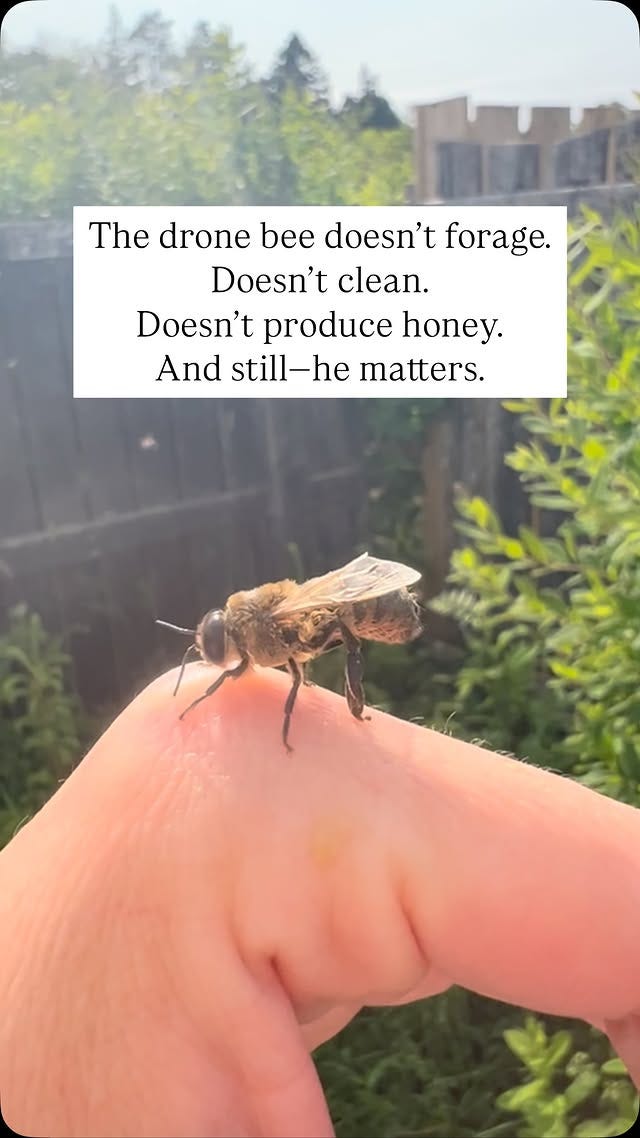
Yes, their primary role is reproduction. But they also play a vital part in the hive’s life. Their large bodies help keep the brood warm. They are usually stationed around the brood nest, acting like mini radiators.
Judging them by human productivity standards misses the bigger picture. If the hive didn’t need drones, it wouldn’t raise them. But it does.
The drones teach us that you don’t have to be “productive” to be appreciated.
3. Swarming isn’t chaos
Swarming has a fearsome reputation: hundreds of bees moving as one big cloud. But it’s one of the most elegant survival strategies in nature. When a colony gets strong, it births another. Thousands of bees leave the hive with their queen, humming in unison, looking for home. Before they set off, they fill their bellies with honey. And when the time is right (in my region is late spring, early summer - around midday) the bees swirl out from the hive and cluster on a tree brench. They will form a ball around the queen, while scout bees look for dry, protected new nest. They will check out multiple locations. The best ones will be shown to other bees and when everyone agrees they take off from the brench and move into the new nest.
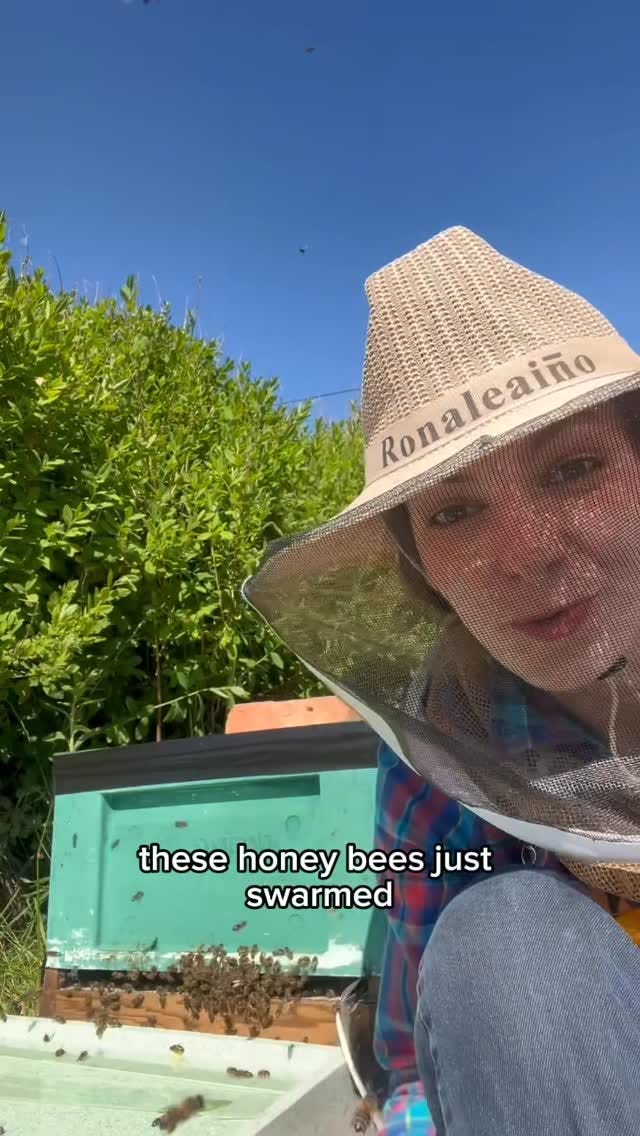
It is wild. And totally breathtaking. And deeply joyful. You see honey bees only swarm when they feel hopeful about their future 🥹 it really is a celebration.
It is coordinated, purposeful and strategic. Swarming bees are docile. Their bellies are filled with honey, so its harder for them to sting. They also don’t have a home, to protect. If you ever find yourself in a swarm, just stop. If you have a hoodie, put that on. Some bees might land on you, but that is only because the bees found you a safe spot. Honour that. They will move on. Never use chemicals on the bees. I have a downloadable swarm guide in my Beekeeping Diaries, for paid subscribers. I leave the link here to check out.
4. Not all bees are the same and selective breeding isn’t helpful
There is incredible diversity among bees. Western European dark bees, Buckfasts, Italian bees, Caucasians, Carniolans, Ukrainian steppe bees, and countless local hybrids all have different traits, strengths, and survival strategies. Some forage further, some resist disease better, some thrive in colder climates. Natural breeding allows these adaptations to emerge in harmony with local environments. Imported or selectively bred bees often lack this resilience. They may produce more honey, but they aren’t always suited to the local ecosystem.
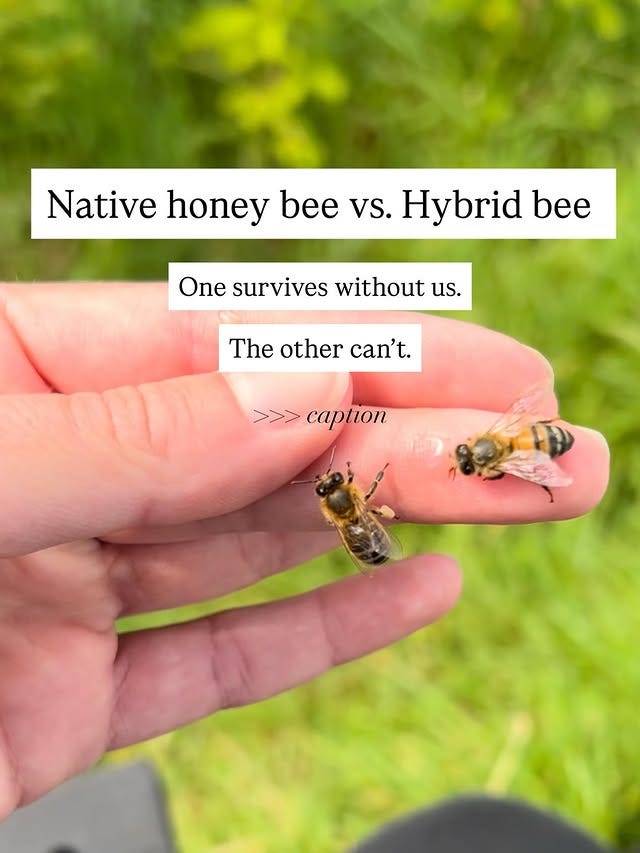
If you’re curious about how genetics and adaptation shape hive survival, I’m teaching a class called The Bees That Outlived the Ice Age. You can join the waiting list here to explore how natural selection has preserved these remarkable bees over millennia.
5. Bees sense the world in ways that seem almost magical
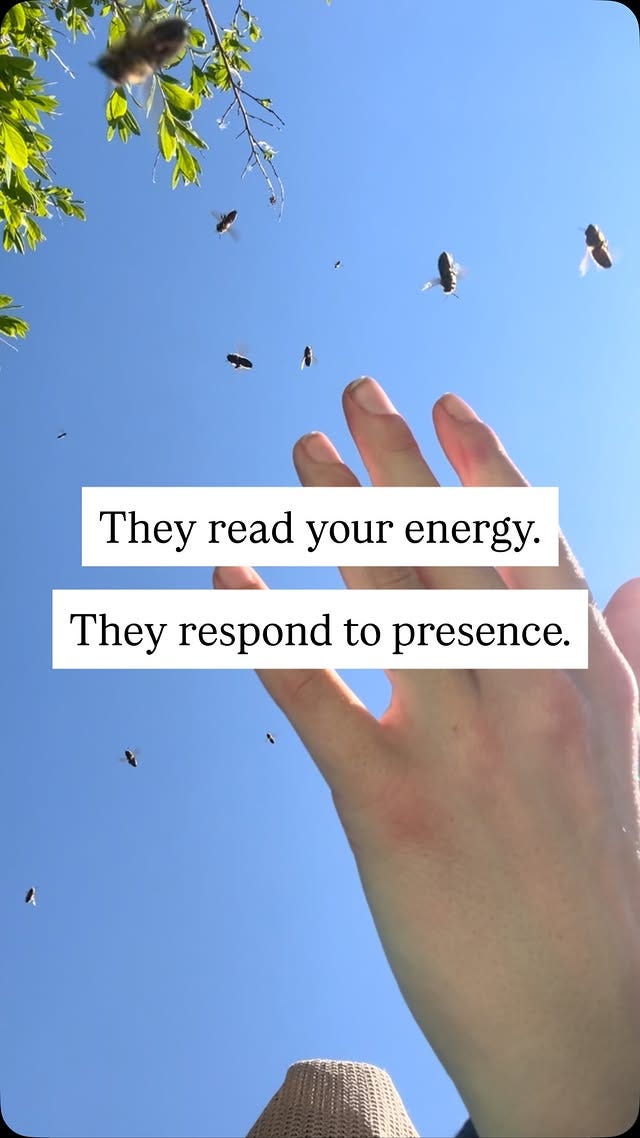
Bees are constantly reading their environment. They sense vibrations, chemical signals, and subtle changes in air currents. They can detect threats, locate resources, and communicate complex information to their sisters, all without words. It’s not just that they “notice everything”; it’s that they experience and respond to the world on a level we can barely perceive. Their genius lies in subtlety, efficiency, and an uncanny ability to adapt.
Closing
Some days the world feels too loud, too fast. Then I open a hive, and the bees remind me to breathe.
I don’t keep them because of honey. I keep them because they make me a better human. And I like to think they don’t just keep me company, they keep me honest.
Thanks for listening in. 🐝💛

This is so amazing. Thank you for sharing. Love learning about bees and the incredible things they do.