Beekeeping Diaries: When the old beekeeping calendar stops working
A strange season of delayed swarms, heatwaves, and adapting alongside the bees

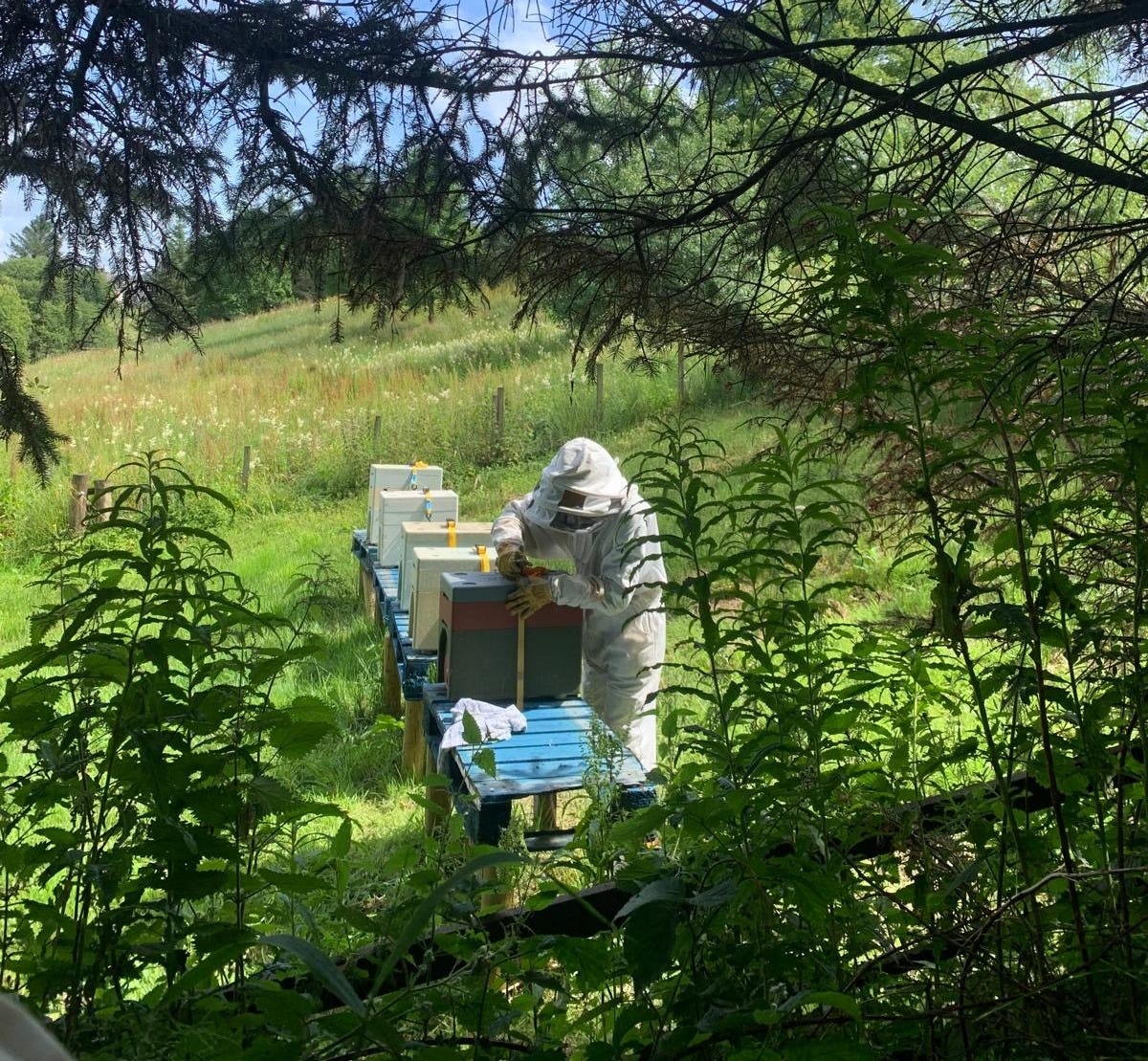
This season has thoroughly refused to behave itself and that is precisely why you have not heard much from me in the way of traditional Beekeeping Diary updates. There simply has not been much traditional beekeeping going on. Mostly there has been me, standing in the apiary, arms crossed, staring at hives waiting.
The Beekeeping Diaries are where I share the messy, fascinating and sometimes confusing reality of the season. No polished highlights. Just bees, observations, experiments and the questions that keep me awake at night.
Waiting for what, you ask?
Swarm season. That glorious, mildly chaotic time when a hive decides it is time to split itself in two and send half its population out into the world. Since the end of April I have been watching for this. My first swarm did not arrive until the 6th of July. We have not had a single one since. Let me tell you that is a very long wait.
Seven hives. Barely any swarm activity. And a beekeeper who is starting to feel a particular kind of worry, the sort that comes from bees doing something other than what generations of observation said they would.
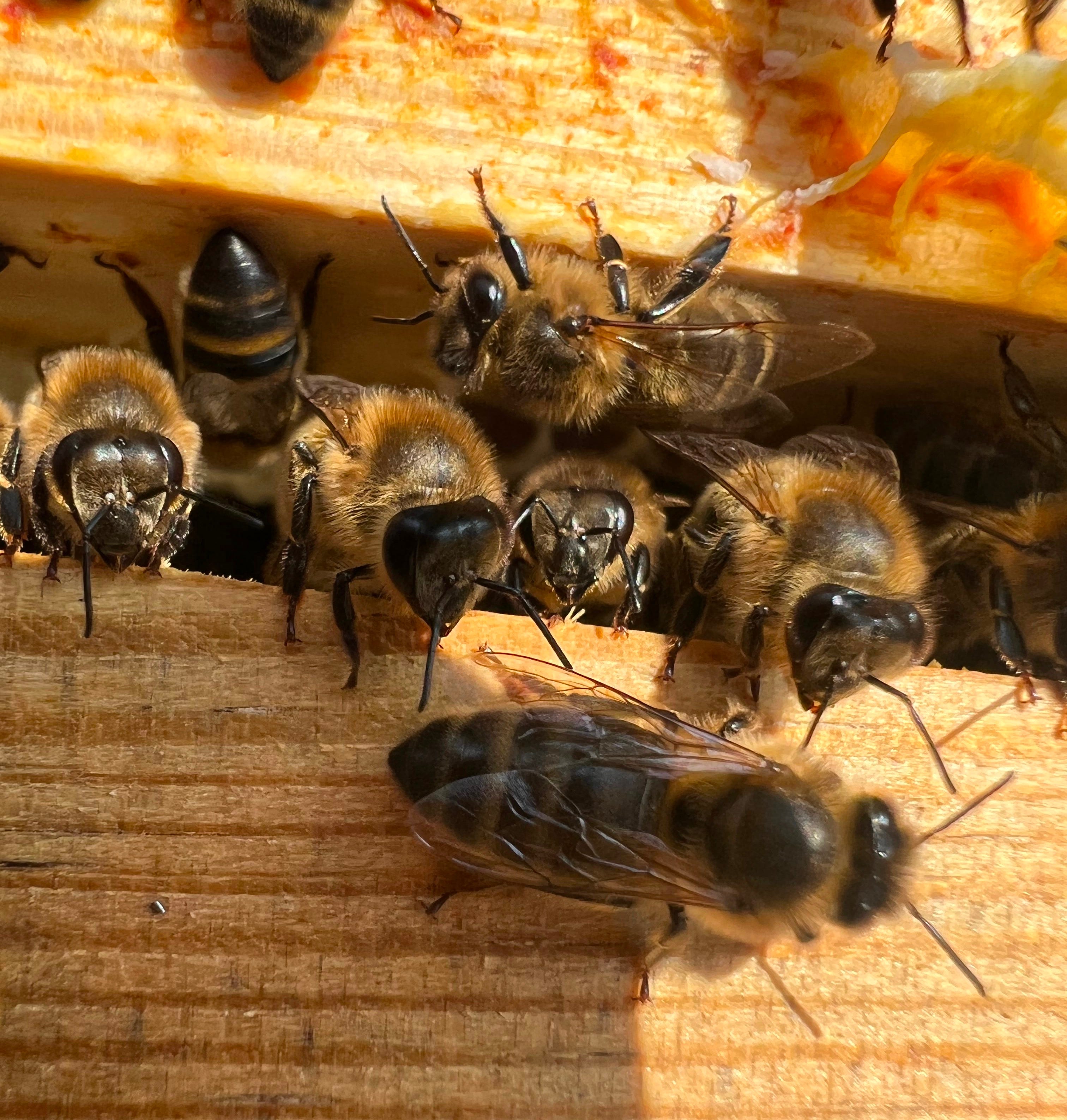
What the old beekeepers knew
There is a long tradition of beekeepers watching swarm timing closely and it was never superstition. It was pattern recognition, built up over generations of careful attention. Most beekeepers will have heard some version of the old rhyme:
‘A swarm in May is worth a load of hay, a swarm in June is worth a silver spoon, but a swarm in July is not worth a fly.’
Charming, slightly brutal and entirely practical. A late swarm has less time to draw comb, build a workforce and lay down enough stores before the hive has to switch its whole focus to surviving winter. Beekeepers were not being gloomy for the sake of it. They were reading the calendar the way a farmer reads soil.
That wisdom was built on an assumption, though: that the seasons themselves would hold a reasonably predictable shape. Spring would build steadily, swarm season would peak in May and June, and by July things would be winding down. This is exactly the assumption I am watching come apart in front of me.
Want to follow the real beekeeping season, including the unexpected turns, difficult decisions and observations that never make it onto social media? Become a paid member of Bees & Beyond and join me inside the apiary.
Working within a changing climate
One thing this season has reminded me of is how much beekeeping has always depended on rhythm. For generations, beekeepers have watched the seasons closely. They noticed when the first pollen arrived, when the hives started building strongly, when swarming usually happened and when the bees began preparing for winter. This knowledge was not written down because someone invented a neat calendar. It came from generations of paying attention to patterns in the natural world.
But those patterns are becoming harder to predict.
We are keeping bees in a changing climate and that means the conditions our bees experience are changing too. It is not necessarily just about the warming temperatures. It is about extremes and instability: unusually long periods of rain, sudden heatwaves, delayed springs and seasons arriving in unexpected ways.
The old observations from beekeepers before us are still incredibly valuable. They are built on generations of watching and learning from bees. But we also have to recognise that those observations came from a different set of environmental conditions. The calendar the bees followed for generations is being challenged by a world that no longer follows the same rhythm.
This is where I think modern beekeeping is becoming increasingly interesting and increasingly difficult. We cannot simply throw away traditional knowledge, but we also cannot assume that every old rule will continue to apply exactly as it did before.
This season is a perfect example.
In the second half of this diary, I am bringing you into the practical side of this strange season. I will share what happens during a Scottish heatwave, how the sunshine has affected the hives that struggled with the cold conditions earlier in the year, the herbal syrup I prepared before the weather changed and what I will be looking for during my next inspections.
