Bees Can Count to Zero (And Understand Nothing Better Than You Did in Maths Class)
Nerdings series for paid supporters

Welcome to Nerdings essay series. Here we translate research into human language and show why it matters for anyone curious about nature, ecology and the bees. Every essay comes with a resource list at the end, so you can check the studies yourself, follow the rabbit holes and get as nerdy as you like.
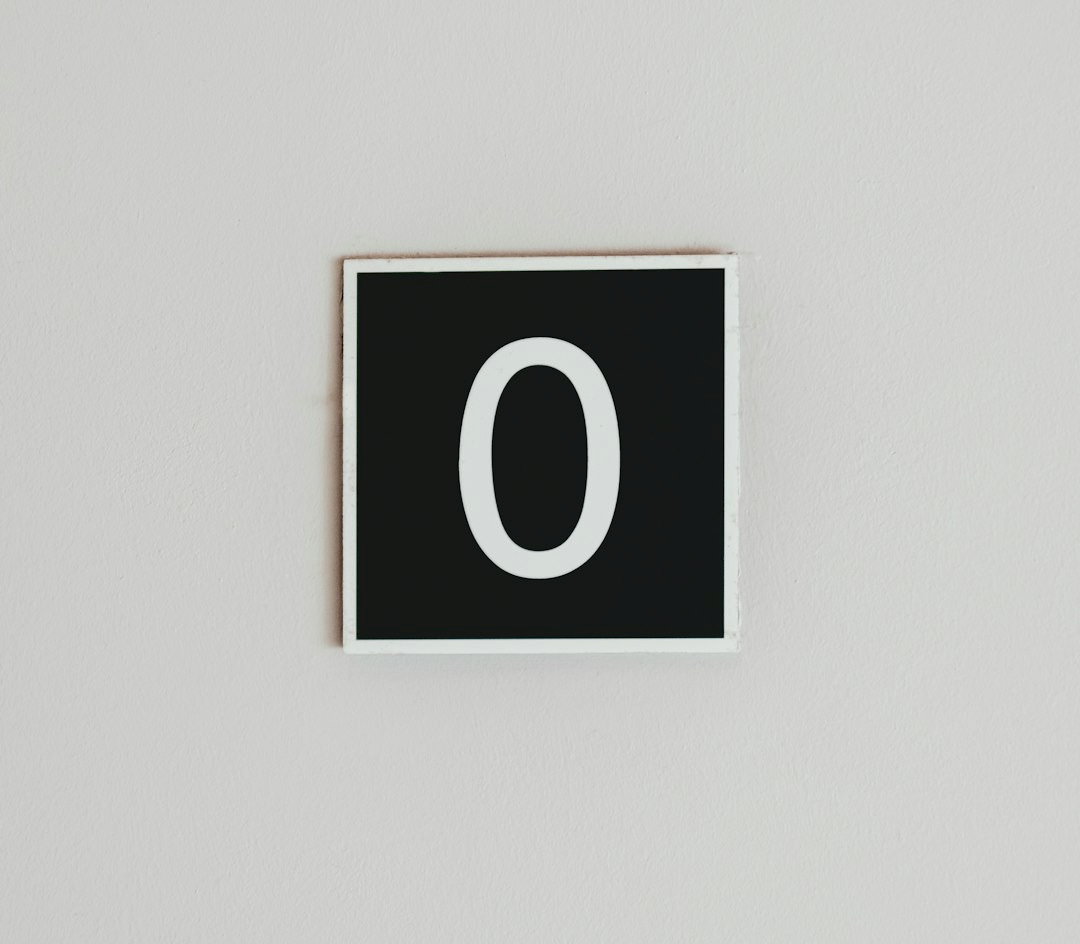
The concept of zero took human civilisation roughly 3,000 years to sort out. Ancient Babylonians used a placeholder around 300 BCE, but zero as an actual number with quantitative value did not get properly defined until 628 CE when Indian mathematician Brahmagupta finally gave it the respect it deserved. Roman numerals never bothered with it at all. The ancient Greeks found the whole idea philosophically troubling. Even young children struggle with zero because, as researchers put it, brains need to represent something out of nothing.
Honeybees figured it out in a day.
From bee brains to hive behaviour, there is always more to learn. Subscribe to Bees & Beyond for regular science-rich essays.
In 2018, a team led by Scarlett Howard at RMIT University published research in Science that stopped mathematicians and neuroscientists in their tracks. Honeybees, with their poppy-seed-sized brains containing fewer than one million neurons, can understand that zero is a number. Not just understand it exists, but correctly place it on a numerical continuum as less than one. They grasp that nothing is actually something quantifiable.
Let that sink in for a moment. Your bees understand abstract mathematical concepts that took our species millennia to articulate.

The experiment that broke mathematics
The experimental setup was wonderfully clever. Researchers trained bees to choose
